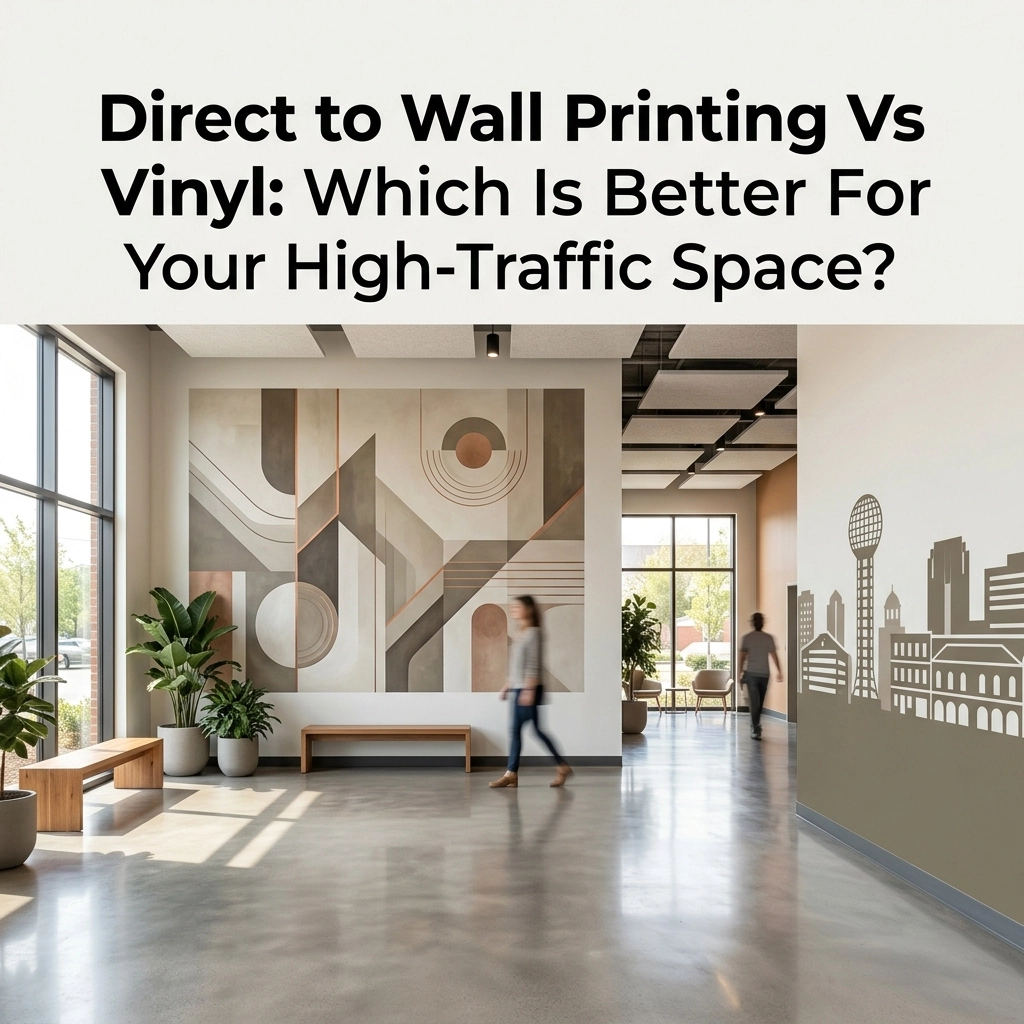
If you’ve ever walked through a busy hallway in a school, a bustling lobby in a Knoxville office, or a high-energy gym, you’ve probably seen the "vinyl lean." You know the one: where the corner of a wall decal is starting to curl, or there’s a mysterious bubble right in the middle of a logo that everyone feels the need to poke.
When you’re looking to transform a blank wall into something spectacular, you usually find yourself at a crossroads: do you go with traditional vinyl decals, or do you opt for a modern wall printing service?
At Knoxville Wall Murals, we’re obviously big fans of the tech we use, but it’s not just because the robots are cool (though they are). It’s because in high-traffic environments, the difference between direct to wall printing and vinyl isn't just about looks: it’s about survival.
The High-Traffic Challenge: Friction, Fingers, and Fading
High-traffic spaces are brutal on interior design. Whether it’s backpacks scraping against walls in a corridor, equipment being moved in a warehouse, or just the sheer volume of people touching things, your wall art has to be tough.
Vinyl is essentially a giant sticker. It’s a layer of plastic with an adhesive backing that sits on top of your wall. This creates a tiny edge. And in the world of interior design, an edge is a vulnerability. Once a corner starts to lift: whether from a cleaning crew’s mop or a curious kid: the clock starts ticking. Dirt gets trapped under the adhesive, the peel spreads, and suddenly your professional space looks a little… tired.
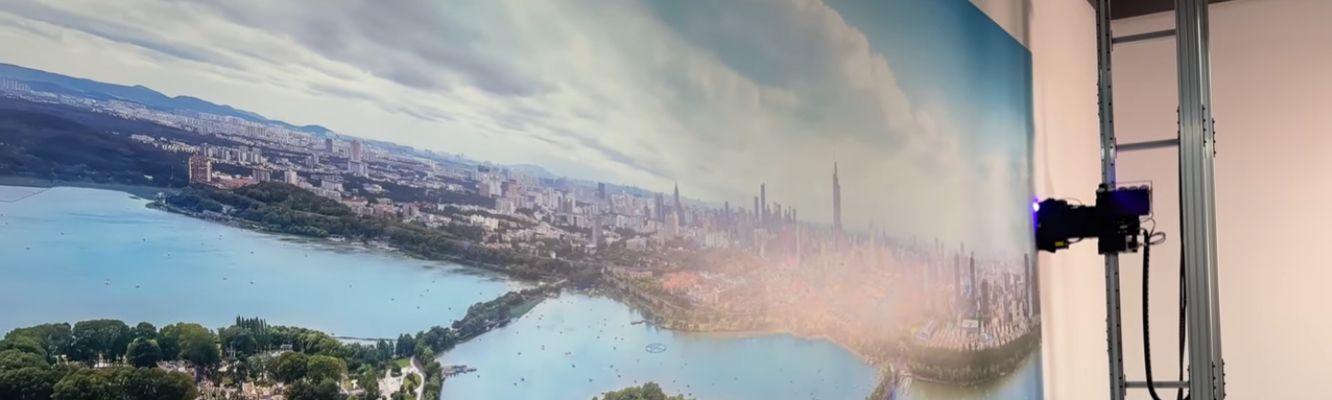
Direct to wall printing changes the game by removing the "sticker" element entirely. Instead of sticking something to the wall, our vertical printers apply UV-cured ink directly into the texture of the wall surface. There are no edges to peel, no bubbles to pop, and nowhere for grime to hide.
Durability: UV-Cured Ink vs. Adhesive Film
When we talk about custom mural printing, durability is the top priority for our Knoxville clients.
Why Vinyl Struggles
Vinyl is sensitive to temperature changes and humidity. In East Tennessee, we know all about humidity. Over time, the adhesive can break down, leading to the dreaded "bubbling" effect. Furthermore, vinyl is prone to scratches. If a piece of furniture bumps a vinyl mural, it can tear the film, leaving a permanent scar that is nearly impossible to patch without replacing the entire section.
The Direct-to-Wall Advantage
Our process uses UV-cured inks. As the printer moves across the wall, a high-intensity UV light follows right behind the print head, instantly hardening the ink. This creates a scratch-resistant, fade-resistant finish that becomes part of the wall itself.
If you’re running a gym (like the ones we talk about in our gym graphics trends post), you need something that can handle the occasional stray dumbbell or a heavy coat of sweat. Direct to wall printing stays vibrant and intact through it all.
Cleanability and Hygiene: A Post-2020 Essential
If there is one thing every business owner learned in the last few years, it’s that everything needs to be wipeable.
Vinyl murals have seams. Even the best installation will have overlapping sections where dirt, bacteria, and cleaning chemicals can accumulate. If you scrub too hard on a vinyl seam, you risk lifting the edge.
In contrast, a custom wall mural printed directly onto the surface is completely seamless. You can wipe it down with standard cleaning agents without worrying about liquid seeping behind a decal. This makes it the premier choice for medical and dental offices where hygiene is non-negotiable.
The Aesthetics: Precision and Texture
Let’s talk about how it actually looks. Vinyl has a specific "sheen." Even matte vinyl looks like a layer of plastic when the light hits it from the side. It covers up the natural texture of your wall: whether that’s brick, cinderblock, or slightly textured drywall.
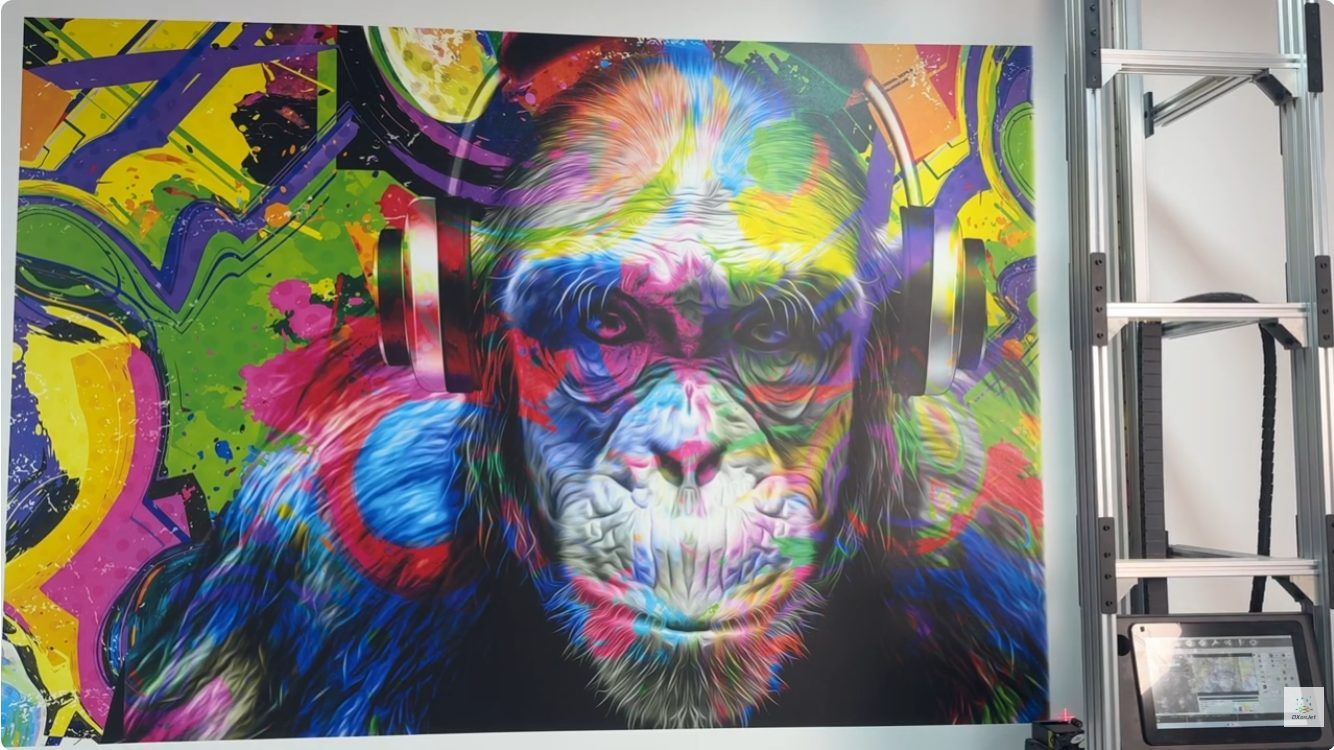
Direct to wall printing is different. Because it’s ink and not a film, the natural texture of the substrate shines through. If we’re printing a race car blueprint on a garage wall, the ink follows the contours of the surface. This creates a much more integrated, high-end look that feels like a hand-painted mural, but with the precision of a high-resolution digital file.
Our vertical wall printer can hit resolutions that vinyl simply can’t match without looking "pixelated" up close. We’re talking about photorealistic details that make people stop and stare.
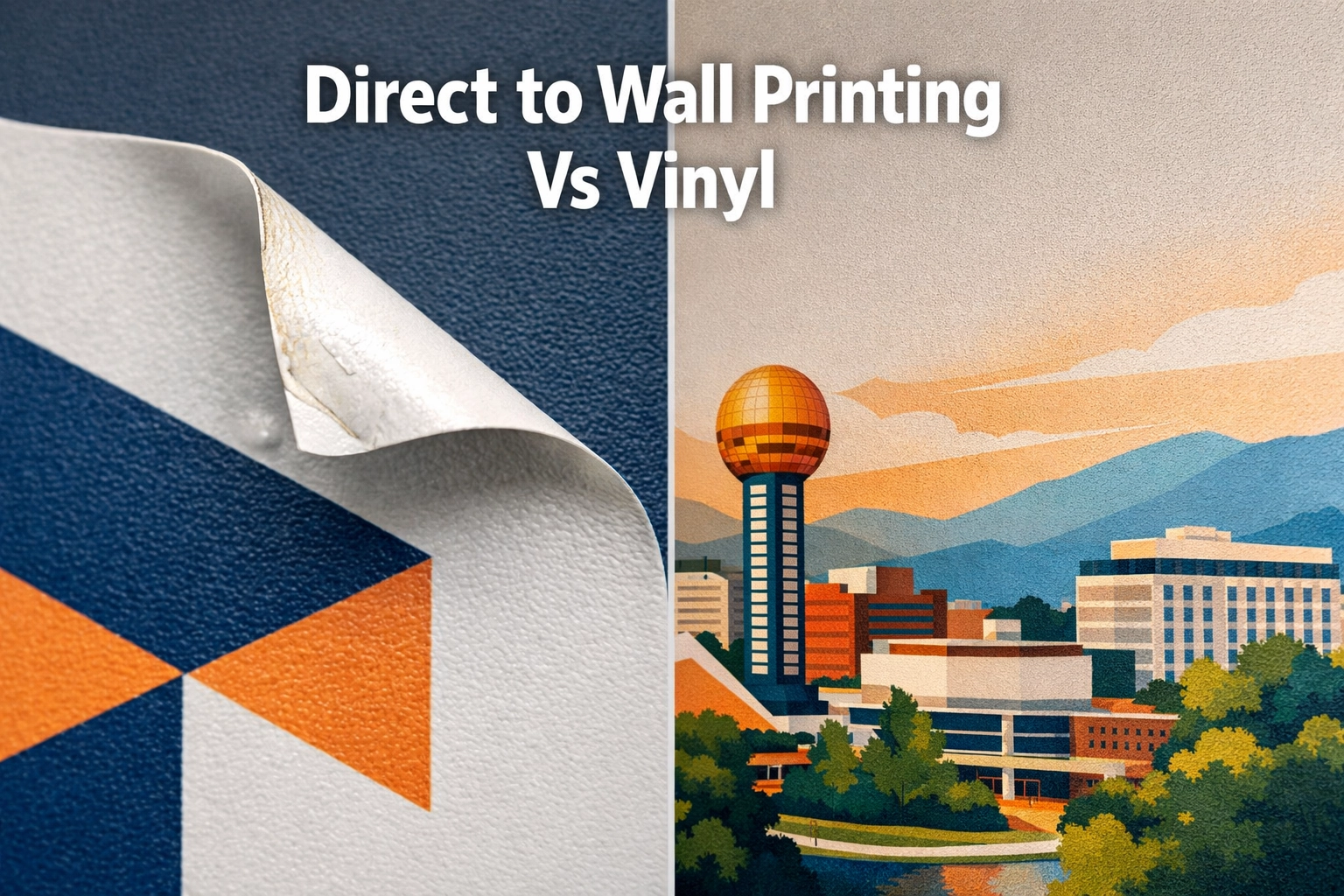
(Suggested: A side-by-side comparison graphic showing the difference between a peeling vinyl edge and the seamless finish of direct-to-wall ink)
Installation: Fast, Clean, and Professional
One of the biggest headaches with traditional wall art is the installation process.
- Vinyl Installation: Requires a perfectly smooth surface, meticulous cleaning, and a lot of manual labor. If the installer makes a mistake: like a misalignment or a trapped air bubble: it’s often back to the drawing board. It can take a long time to get a large mural perfectly straight.
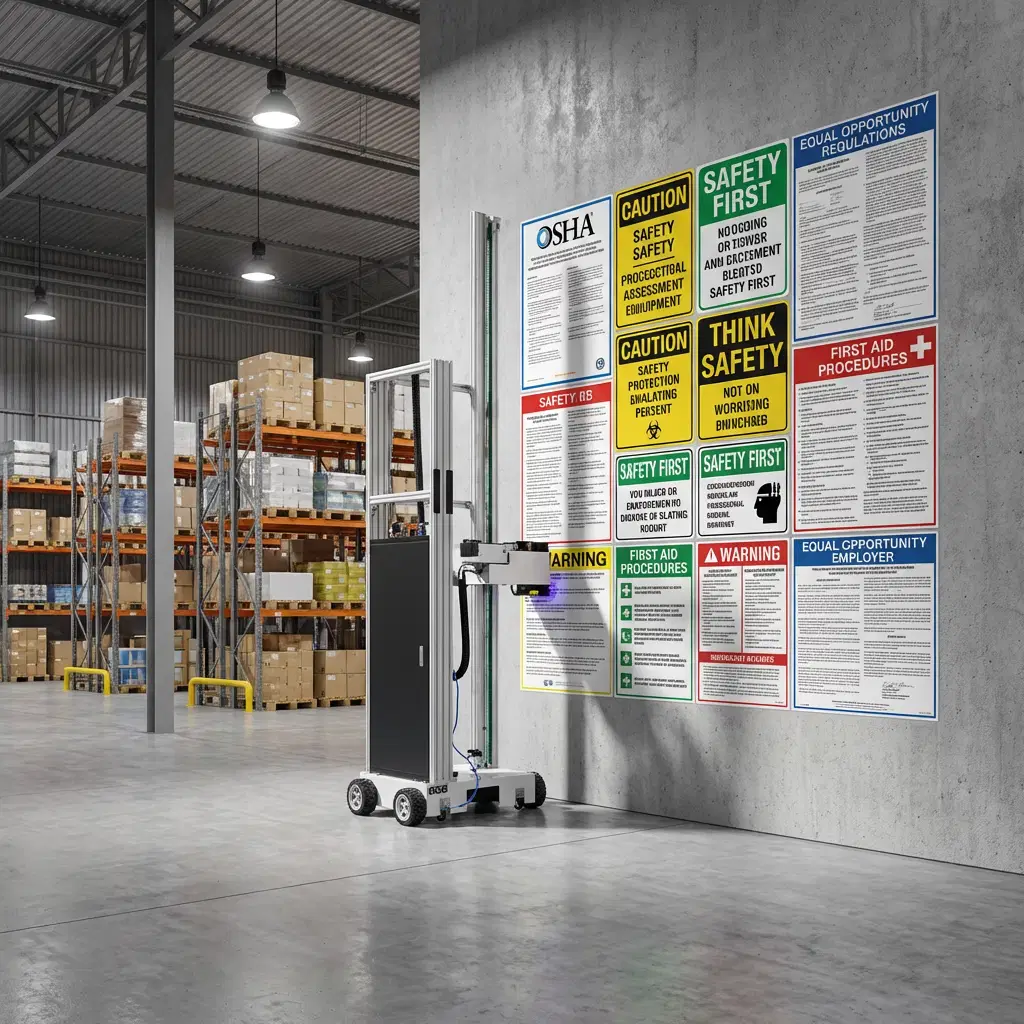
- Direct to Wall Printing: We show up, set up our precision rails, and let the tech do the work. Most installations are finished in under five hours. Because there’s no "peel and stick" involved, the margin for human error is significantly reduced. We’ve even done installations in active warehouses and lobbies with minimal disruption to the workflow.
Take a look at this industrial application. In a warehouse where safety is paramount, you can't afford for your safety signage to peel off or become unreadable.
The "Hidden" Cost: Long-Term Value
We’ll be honest: direct to wall printing usually carries a higher upfront cost than a basic vinyl sticker. But if you’re a business owner in Knoxville, you know that the cheapest option is often the most expensive one in the long run.
Think about the lifecycle of a vinyl mural in a high-traffic restaurant:
- Year 1: Looks great.
- Year 2: Edges start to yellow or peel near the kitchen or high-foot-traffic areas.
- Year 3: Scratches and bubbles become noticeable. You have to pay someone to remove it (which often damages the paint underneath) and pay for a new one.
With direct to wall printing, that Year 1 look stays consistent for years. There is no replacement cycle. If you eventually want to change the art, you simply paint over it like any other wall and we print the next masterpiece. It is a one-and-done investment that holds its value.
Which Is Right For You?
While vinyl might be fine for a temporary window display or a short-term promotion, it usually falls short for permanent interior design.
Choose Direct to Wall Printing if:
- You are decorating a high-traffic area (hallways, lobbies, gyms).
- You want a "painted-on" look that preserves wall texture.
- You need a solution that is easy to clean and sanitize.
- You want the highest possible resolution for complex designs.
- You want to avoid the "cheap" look of peeling plastic.
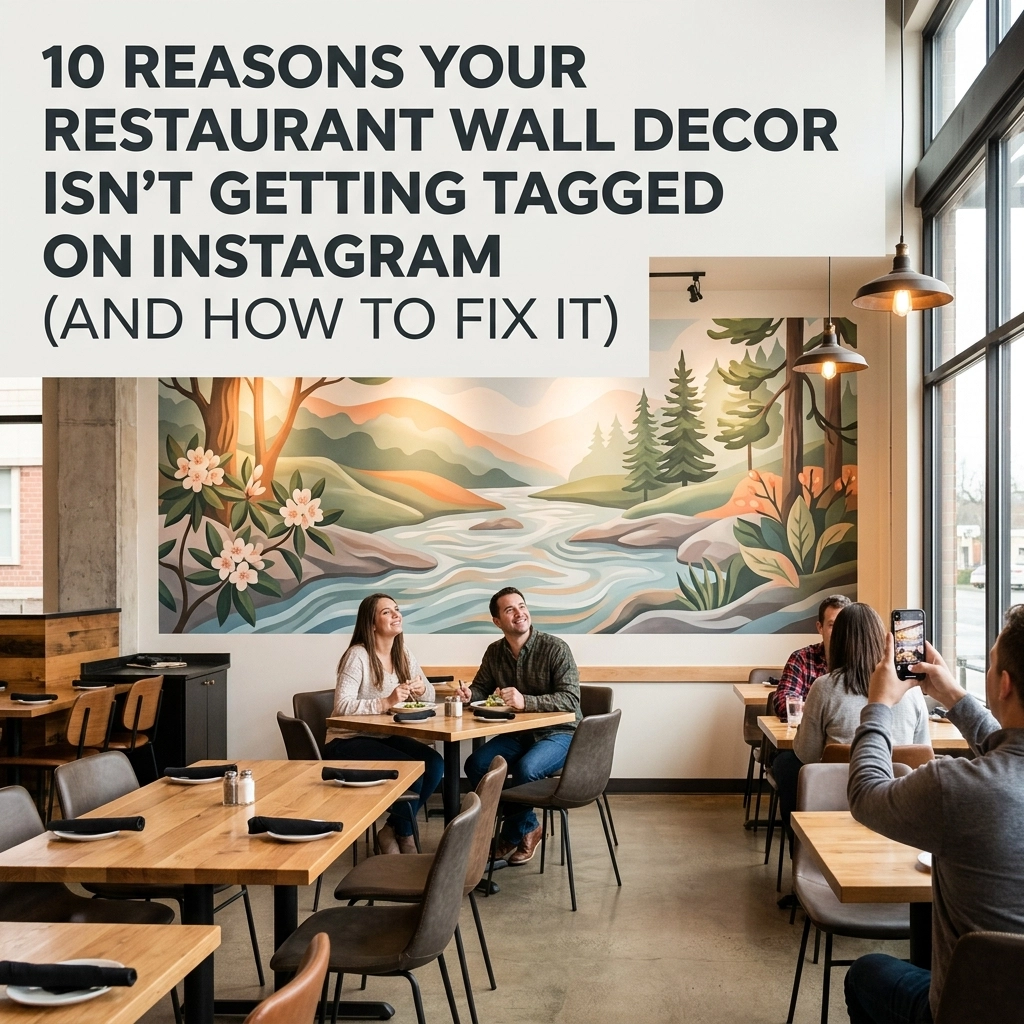
At Knoxville Wall Murals, we specialize in helping businesses and homeowners turn boring walls into landmarks. Whether you’re looking to make your restaurant the most Instagrammable spot in town or you want to inspire your team with a corporate lobby mural, we have the tech and the creativity to make it happen.
Ready to see what the future of wall art looks like? Request a quote today and let’s get to work. Not sure where to start? Check out our portfolio for some local inspiration!