If you’ve spent any time looking at a blank wall in your office, retail shop, or restaurant and thought, “We need something here,” you’ve probably run into the Great Mural Debate. On one side, you have the old-school heavyweight: Vinyl Wraps. On the other, you have the high-tech challenger: Vertical Wall Printing.
In the past, if you wanted a logo or a sprawling landscape on a wall, you either hired a guy with a brush for three weeks or you called a sign shop to slap up some giant stickers. But technology has moved on, and if you’re trying to build a brand in Knoxville that actually looks professional and lasts longer than a summer heatwave, you need to know which method is going to give you the best bang for your buck.
Let’s break down the hardware, the headaches, and the high-resolution reality of vertical wall printing versus vinyl.
What Are We Even Talking About?
Before we get into the ring, let’s define the players.
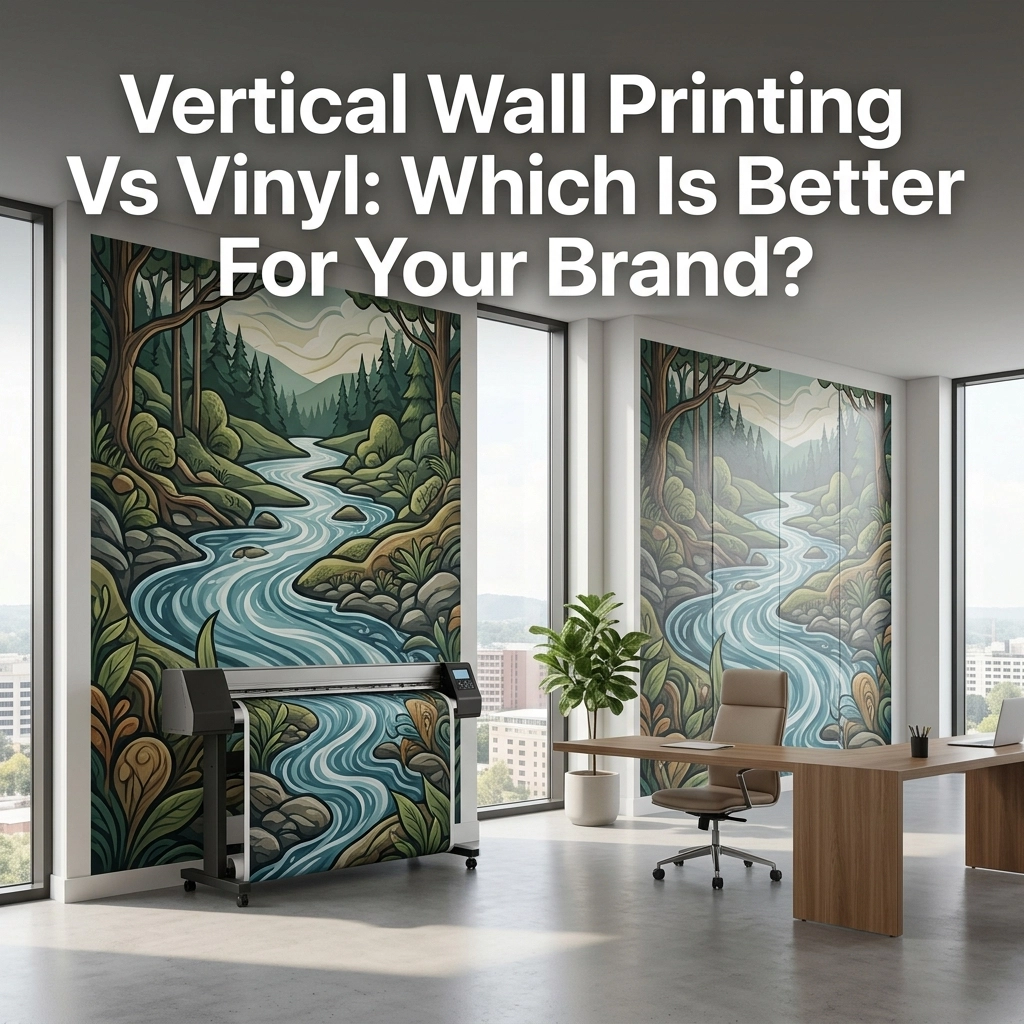
Vinyl Wraps are essentially massive stickers. They are printed on a roll of PVC material with an adhesive backing and then squeegeed onto your wall by a team of installers. Think of it like a giant screen protector for your wall, except it’s a lot harder to get the bubbles out.
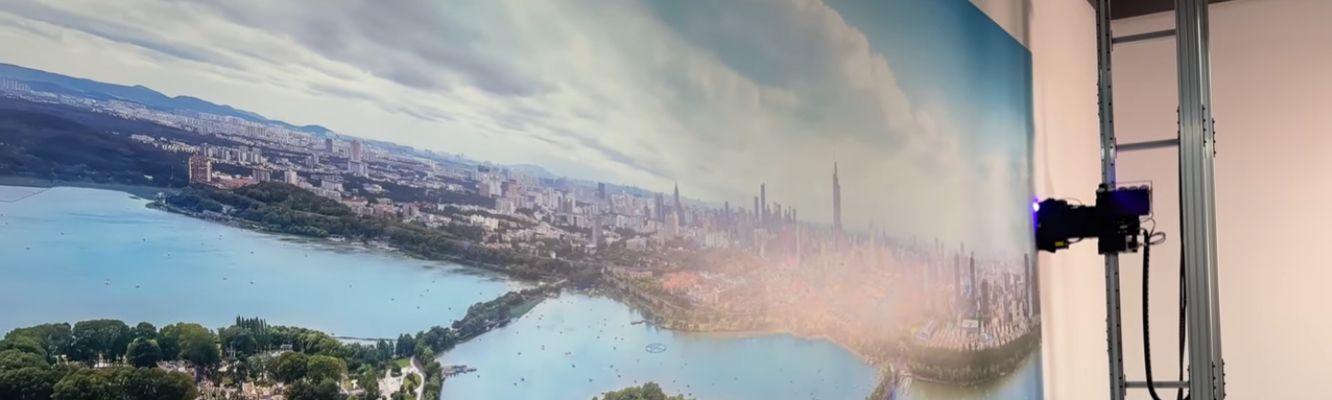
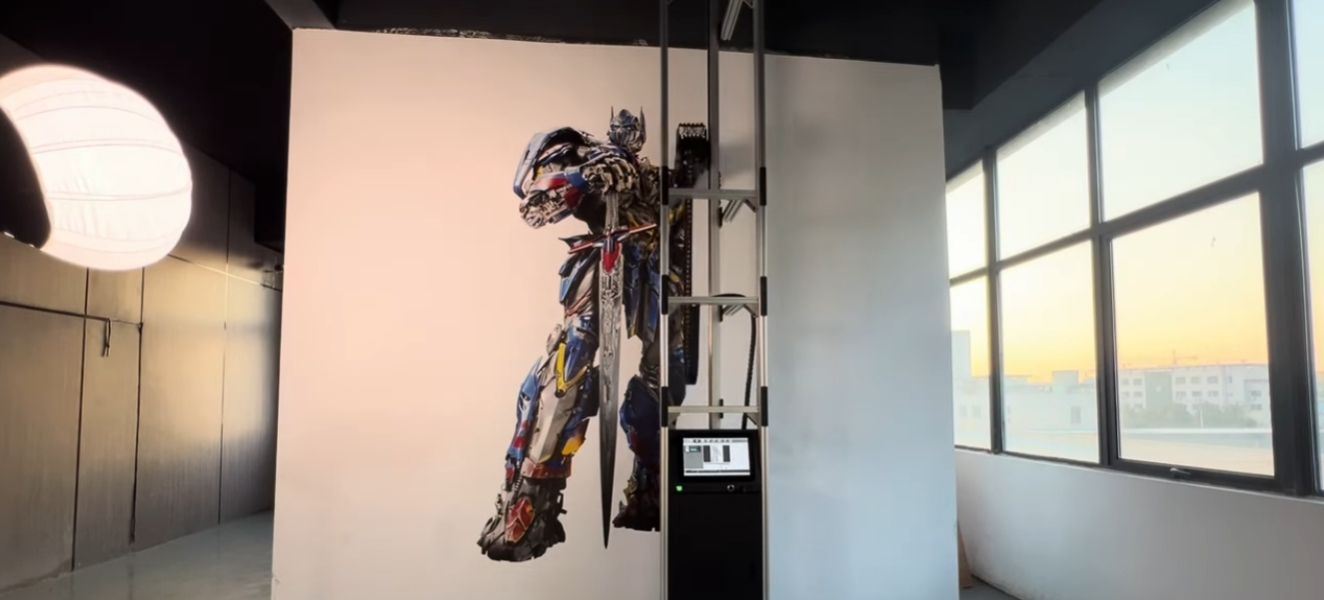
Vertical Wall Printing is exactly what it sounds like. We roll a specialized, computer-guided machine into your space, and it prints your design directly onto the wall surface using UV-cured ink. There’s no paper, no glue, and no plastic. It’s like an inkjet printer and a robot had a baby that happens to be an incredible artist.
1. The Seamless Factor: Say Goodbye to Edges
The biggest visual giveaway of a vinyl installation is the seam. Because vinyl comes in rolls (usually 54 inches wide), any wall wider than a closet is going to have overlapping lines. Even the best installers in Tennessee can't make those seams invisible forever. Over time, those edges catch dust, start to curl, or simply remind everyone that your "mural" is actually just a bunch of plastic strips.
Vertical wall printing is entirely seamless. Because the printer moves across the wall on a track, it applies the ink in one continuous, perfect pass. There are no overlaps, no peeling corners, and nothing for a bored customer to pick at while they wait for their coffee. If you want to see how this stacks up against traditional wallpaper, check out our custom wallpaper murals vs. direct-to-wall printing comparison.
2. Durability: Built for the Real World
Let’s be honest: Knoxville gets humid. And walls in high-traffic areas: like a gym or a busy brewery: take a beating.
Vinyl is prone to "the three horsemen of the mural apocalypse": bubbles, peeling, and fading. If the wall wasn't prepped perfectly or if the temperature fluctuates, the adhesive can fail. Once a corner starts to lift, it’s game over. You either have to patch it (which looks terrible) or replace the whole section.
Direct-to-wall printing uses UV-cured ink that bonds instantly to the surface. It’s scratch-resistant, water-resistant, and won't fade for years. Because the ink is in the texture of the wall rather than sitting on top of it like a layer of plastic, it doesn't bubble or peel. You can literally wipe it down with a damp cloth if someone splashes a latte on it.
3. The Surface Battle: Brick, Glass, and Concrete
Vinyl loves a perfectly smooth, primed piece of drywall. The moment you show it a brick wall, a cinderblock hallway, or a piece of reclaimed wood, things get complicated. You need special high-tack "brick wrap" vinyl, a heat gun, and a lot of prayer to get it to stick to textured surfaces. Even then, it often looks like a piece of plastic stretched over a bumpy road.
Vertical printers, however, don't care about your wall's personality. Our technology can print on:
- Brick and Stone
- Concrete and Cinderblock
- Glass and Acrylic
- Wood and Metal
- Plaster and Drywall
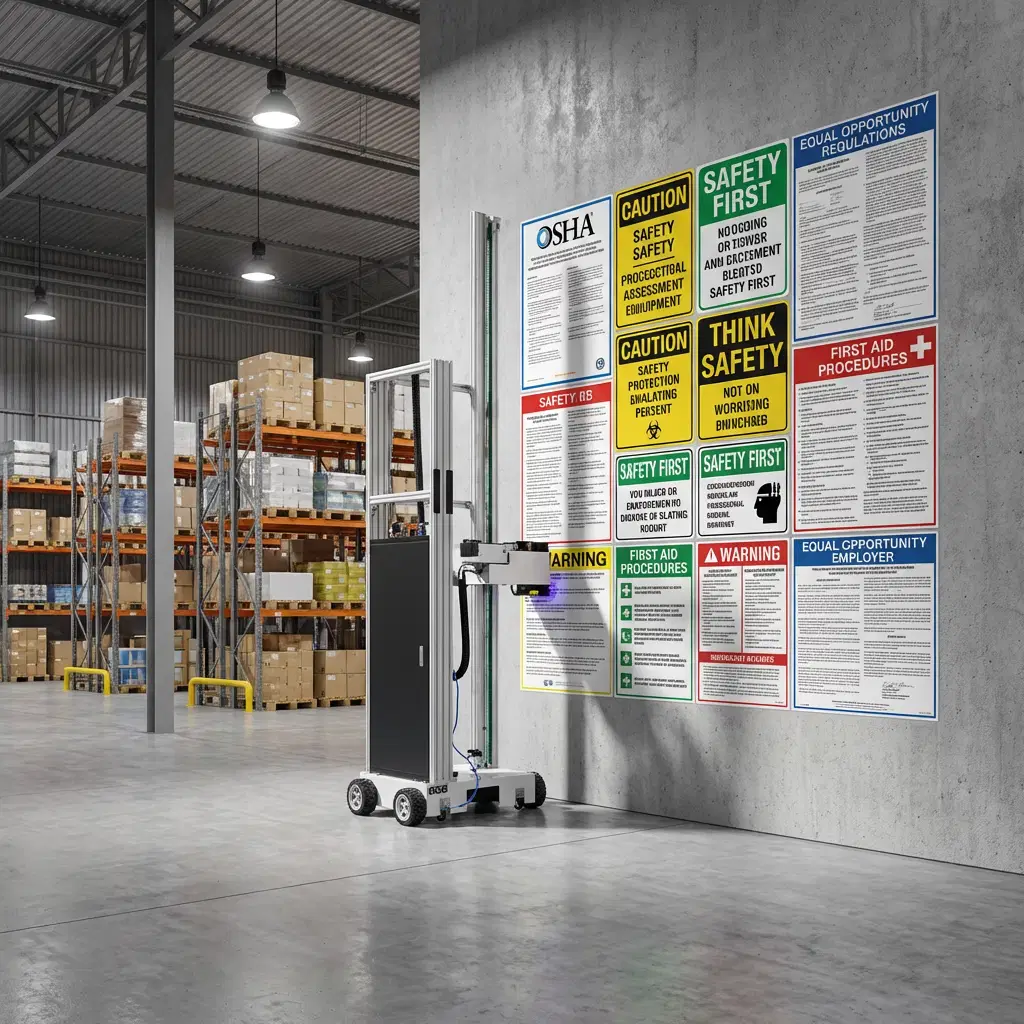
The printer’s sensors detect the distance from the wall in real-time, adjusting the spray to keep the image sharp even on rough textures. If you're looking to brand a warehouse or an industrial space, this is a game-changer.
4. Sustainability: The Green Choice
If your brand cares about its environmental footprint, vinyl is a tough sell. It’s made of PVC (polyvinyl chloride), which isn't exactly eco-friendly to produce or dispose of. When you’re done with a vinyl mural, it goes straight to the landfill. Plus, the chemical adhesives can off-gas in small office spaces.
Vertical wall printing is the much "greener" cousin. We use eco-solvent, UV-cured inks that have very low VOCs (volatile organic compounds). There’s zero waste: no backing paper, no plastic scraps, and no release liners. When you’re ready to change the design? You don't have to scrape off layers of gummy adhesive. You just paint over it and print the new one. It’s as simple as that.
5. Speed and Disruption
We know you have a business to run. Shutting down a dining room or a lobby for two days while installers fight with giant rolls of vinyl is a headache.
Most vertical printing projects are finished in a single day. The setup is clean, there’s no "new plastic" smell, and we aren't dragging around heavy tables or gallons of glue. We roll in, set the track, and let the tech do the work. It’s quiet, it’s professional, and it’s fascinating to watch. In fact, many of our clients find that having the printer running actually draws a crowd and creates some "behind the scenes" buzz on social media.
Speaking of social media, if you’re a restaurant owner trying to get more eyes on your space, take a look at these 15 restaurant wall decor ideas.
6. The Bottom Line: Cost and ROI
Here is where people usually get tripped up. On paper, a cheap vinyl wrap might look less expensive than a custom vertical print. But you have to look at the "Total Cost of Ownership."
- Vinyl: Cheap to buy, expensive to install, and needs to be replaced every 3–5 years due to peeling or fading. Plus, the removal process can damage your drywall, leading to repair costs.
- Vertical Printing: A slightly higher upfront investment in some cases, but it lasts significantly longer. Because it’s more durable and requires zero maintenance, the cost-per-year is much lower. Some studies suggest that over the lifespan of a mural, vertical printing can be up to 60% cheaper than vinyl.
When you factor in the "professionalism" tax: the cost of your brand looking "cheap" because of a peeling sticker: the choice becomes pretty clear. For a high-impact space, you want precision.
When Should You Still Use Vinyl?
We aren't here to bash vinyl entirely. It has its place. If you are running a two-week pop-up shop or you need a temporary "Coming Soon" sign on a window, vinyl is great. It’s designed to be temporary.
But if you are building a brand, designing a corporate headquarters, or creating an atmosphere in a home: like a man cave masterpiece: you want something that feels like it belongs to the architecture, not something that’s just stuck on it.

Final Verdict: Why Knoxville Brands are Switching
At the end of the day, your walls are a massive part of your brand’s real estate. You wouldn't put a cheap bumper sticker on a luxury car, so why put a giant sticker on your business’s walls?
Vertical wall printing offers:
- Photorealistic Detail: We can print anything from a 3D illusion of a giraffe to a misty Smoky Mountain sunrise with 1440dpi clarity.
- Texture Integration: The artwork looks like it’s painted on, preserving the character of your walls.
- Longevity: It’s an investment that stays looking fresh for years.
If you’re ready to ditch the bubbles and seams and see what high-tech mural art can do for your space, we’re here to help. Whether you have a clear vision or just a blank wall and a dream, the team at Knoxville Wall Murals can turn that space into something legendary.
Ready to see what's possible? Request a quote today or contact us to chat about your project. Let’s make something your customers won't be able to stop talking about.